

TL;DR
- Treated timber is for outdoor, exposed, and high-risk environments. Untreated timber is for controlled indoor settings.
- Matching timber to the right hazard class (H1–H6) under AS/NZS 1604 is essential for durability and compliance.
- Using the wrong type leads to premature rot, termite damage, structural failure, and costly rework.
- Not all treated timber is the same — H3 is not rated for ground contact; H4 or above is required.
Introduction
Choosing the wrong timber isn’t just a material mistake. It can lead to premature failure, compliance issues, and costly rework that no builder, tradie, or homeowner wants to deal with halfway through a project. Yet this is a situation that plays out more often than it should and it almost always comes back to one misunderstood decision: treated versus untreated timber.
Many people assume treated timber is always the better option. Others believe untreated timber is only useful for aesthetic or decorative purposes. The reality is more nuanced. Both types of timber have a clear role in construction and renovation projects, but only when they’re matched to the right environment. Understanding that distinction is what separates a lasting build from an expensive one.
What is the difference between treated and untreated timber?
Treated timber
Treated timber is natural timber that has undergone a preservative treatment process to enhance its resistance to biological hazards, including termites, fungal decay, moisture damage, and insect attack. The most common methods include pressure treating — where a chemical solution is forced deep into the timber fibres — as well as envelope treatment and light organic solvent preservative (LOSP) applications.
Common chemical treatments include alkaline copper quaternary (ACQ) and micronised copper azole (MCA), which are both approved under Australian standards and regulated by the Australian Pesticides and Veterinary Medicines Authority.
Treated timber is specifically designed for durability in exposed environments, anywhere that moisture, soil contact, insects, or marine borers pose a genuine biological hazard. At Woodhouse we treat our Terraframe timber products with MCA, a safer alternative for sensitive or high contact areas.
Untreated timber
Untreated timber is natural timber in its original state. No preservative treatment, no chemical solution, just the raw material with all its natural characteristics and workability intact.
That said, untreated timber can still be primed, so “untreated” doesn’t necessarily mean it keeps its natural appearance. Our Edgeline range, for example, is untreated but comes pre-primed and ready to be painted, saving you time and ensuring a flawless finish.
However, the real distinction comes down to cost and application. Untreated timber is generally the more affordable option, and it’s best suited to environments where a hardier, treated product isn’t necessary. Typically controlled indoor settings, where moisture exposure is limited and there’s no risk of insect infestation or fungal decay.
Understanding timber treatment levels
Not all treated timber is the same. In Australia, timber treatment is governed by AS/NZS 1604, which establishes a system of hazard classes — known as H levels — that define the minimum treatment required for different end-use conditions.
- H1: Interior, above ground, fully protected from weather. Suitable for framing in dry, enclosed spaces. Resistant to borers.
- H2: Interior, above ground, protected from weather. Suitable for framing where there is a termite risk (common in Queensland and other high-risk zones).
- H3: Above ground, exposed to weather. Suitable for outdoor applications including decking, pergolas, and cladding.
- H4: Ground contact or freshwater exposure. Required for fence posts, landscaping timbers, and other structures in direct contact with soil.
- H5: Prolonged ground contact or fresh water. Used for building poles, retaining walls, and heavily loaded structural applications.
- H6: Marine environments. Required where exposure to salt water and marine borers is likely.
Understanding which hazard class applies to your project is critical to ensuring your timber is fit for purpose. For a detailed breakdown of each level and how to select the right treatment for your application, refer to our comprehensive guide on understanding timber hazard classes.
Internal vs external timber: why it matters
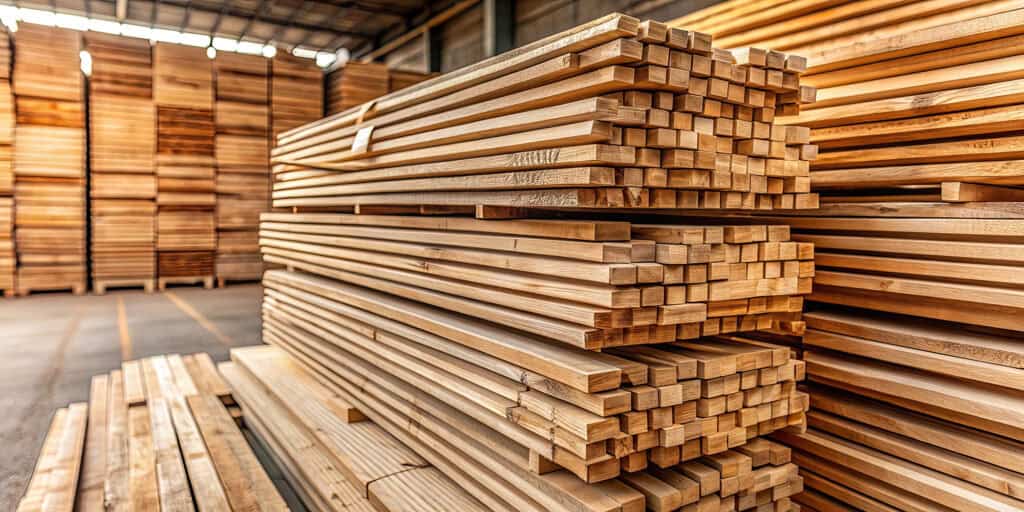
One of the most practical ways to approach the treated versus untreated timber question is to think about where the timber will live, indoors or outdoors.
Internal timber
Internal environments are controlled. Temperature fluctuations are moderate, humidity is generally low, and the timber is shielded from rain, UV exposure, and direct soil contact. In these conditions, the biological hazards that treated timber is designed to combat simply aren’t present. For most internal framing, joinery, cabinetry, and finishing work, untreated timber or lightly treated H1 or H2 timber is entirely appropriate. Overspecifying by using heavily treated timber indoors adds unnecessary cost and can introduce complications when cutting, fixing, or finishing the material.
External timber
Step outside and the picture changes entirely. Outdoor settings expose timber to rain, UV radiation, temperature cycling, and — in many parts of Australia — aggressive termite activity. Without adequate preservative treatment, natural timber deteriorates rapidly in these conditions. As a general rule, any timber used above ground in an exposed outdoor environment requires at minimum H3 treated timber. Applications involving ground contact or freshwater exposure require H4 or H5. These aren’t arbitrary figures, they reflect the minimum performance standards set under Australian Standards to ensure safe, durable construction.
When should you use treated timber?
Treated timber is the right choice any time your project involves exposure to the elements, contact with soil or water, or elevated biological hazard risk. Common applications include:
- Decking
- Continuous exposure to sun, rain, and foot traffic demands H3 treated pine or hardwood to prevent surface decay and structural weakening.
- Pergolas and outdoor structures
- Framing members exposed to weather should be H3 treated as a minimum.
- Fencing and fence posts
- Posts in ground contact require H4 treated timber. Using untreated timber here is one of the most common mistakes in residential construction.
- Retaining walls and landscaping timbers
- Ground contact, moisture retention, and soil chemistry create an aggressive environment that only properly treated timber can reliably withstand.
- Structural framing in subfloor areas
- Where ventilation is limited or termite activity is high, H2 or H3 treated pine timber provides the necessary protection.
- Garden beds and landscaping projects
- Timber in direct contact with soil and mulch requires H4 treatment at minimum.
- Playground equipment and picnic tables
- Public structures must meet compliance requirements for both durability and safety.
Using untreated timber outdoors is one of the most common — and costly — mistakes in construction. Without preservative treatment, outdoor timber may begin to show signs of fungal decay and insect damage within just a few years, far ahead of its expected service life.
When should you use untreated timber?
Untreated timber performs exceptionally well when used in the right environment. For indoor use, it’s often the preferred choice for its appearance, workability, and cost effectiveness. Common applications include:
- Joinery and cabinetry
- The natural beauty and smooth finish of untreated wood makes it ideal for kitchen cabinetry, shelving, and built-in furniture.
- Indoor furniture and decorative timber elements
- Untreated timber takes stains, oils, and paints cleanly, making it the first choice for indoor furniture and feature walls.
- Interior finishing
- Architraves, skirtings, door frames, and other interior finishing elements perform perfectly with untreated pine timber.
- DIY projects indoors
- For home improvement projects in a controlled indoor environment, untreated timber offers a versatile and cost-effective option.
In these settings, there is no biological hazard to defend against, so the preservative treatment process adds cost without adding value.
What happens if you get it wrong?
The consequences of mismatching timber type to application are serious, and they often don’t become apparent until significant damage has already occurred. Key risks include:
- Premature rot and fungal decay
- Untreated timber in wet or ground-contact conditions can begin to break down within two to three years, compared to decades of service life from properly treated timber.
- Termite damage
- In Queensland and other high-risk zones, untreated timber in subfloor or ground-contact positions is highly vulnerable to termite infestation.
- Structural failure
- Decayed or termite-damaged framing members can compromise the structural integrity of a building, creating serious safety risks and significant rectification costs.
- Compliance issues
- Australian building codes specify minimum timber treatment requirements for many applications. Using under-treated or untreated timber in these positions can result in failed inspections and expensive remediation.
- Increased maintenance and replacement costs
- Poorly specified timber drives ongoing maintenance costs and often requires full replacement well ahead of schedule.
Under-treated timber in ground contact is a particularly common failure point. H3 treated pine, for example, is not rated for in-ground use, only H4 and above are suitable for that application. Many DIY projects and even some commercial buildings have suffered significant damage from this single specification error. With over 40 years of experience supplying timber across Australia, we’ve seen firsthand how the right specification from the start prevents the kind of failures that are both costly and entirely avoidable.
Common misconceptions about treated timber
“Treated timber is always better.”
Not necessarily. For indoor applications where there is no biological hazard, treated timber adds cost without benefit. Selecting the right hazard class for the environment is always more important than defaulting to the most heavily treated product available.
“Untreated timber isn’t durable.”
Untreated timber is fit for purpose in the right environment. Well-maintained untreated hardwood furniture or cabinetry can last generations. The issue is not the material, but matching it to the correct application.
“All treated timber is the same.”
This is one of the most dangerous misconceptions in the industry. H1 treated timber is completely unsuitable for outdoor use; H3 is not appropriate for ground contact. The hazard class system exists precisely because different environments demand different treatment levels.
“You can use H3 in-ground.”
H3 treatment is rated for above-ground external use only. In-ground applications such as fence posts, retaining walls, landscaping timbers, require H4 at minimum. Using H3 in ground contact leads to rapid deterioration and, in structural applications, potential failure.
Conclusion
The treated versus untreated timber decision is not about which product is superior, it’s about which product is right for the job. Treated timber delivers the protection needed in exposed, high-risk, and outdoor environments. Untreated timber offers the natural aesthetics and workability that make it perfect for interior applications. Getting this right from the start saves time, money, and the kind of rework that no project needs.
At Woodhouse Timber Company, we supply premium treated and untreated timber products to hardware stores and trade customers across Australia, backed by over 40 years of industry experience and industry-leading warranties. Whether you’re specifying timber for a large commercial build or a weekend landscaping project, our team can help you select the right product for your application.
Explore our full range of timber products or speak to our team for expert guidance on selecting the right timber for your next project.